2 November 2026, by Roadwise Mobility Uganda
Understanding Road Markings in Uganda and Their Meanings
Learn about road markings in Uganda, their meanings and importance. Understand centre lines, stop lines, zebra crossings, arrows and more.
Understanding Road Markings in Uganda and Their Meanings: A Complete Guide for Drivers
Have you ever wondered what the different lines, arrows and symbols painted on the road mean? Road markings are an important part of road safety because they communicate instructions and warnings directly to drivers without requiring them to look away from the road.
When driving in Uganda, you will encounter different road markings on highways, urban roads, junctions, roundabouts and pedestrian crossings. Each marking has a particular purpose, helping drivers understand where to drive, when to stop, where overtaking is restricted and how to share the road safely with other road users.
For learner drivers, understanding road markings is just as important as knowing the meaning of traffic signs. Recognising these markings can help you make better driving decisions and avoid unnecessary accidents.
In this guide, we explain common road markings in Uganda, their meanings and how drivers should respond to them.
What Are Road Markings?
Road markings are lines, symbols, arrows, words and other patterns painted or placed on the surface of a road to communicate important information to road users.
They help control traffic, warn drivers about possible dangers and guide vehicles into the correct positions.
For example, a broken centre line may indicate that crossing the line is permitted when it is safe, while a continuous centre line indicates a restriction on crossing it.
Road markings work together with traffic signs and traffic signals to improve road safety and maintain an organised flow of traffic.
Main Types of Road Markings in Uganda
Road markings can be grouped into three main categories:
- Longitudinal road markings
- Transverse road markings
- Other road markings
Let's look at each category and some common examples.
- Longitudinal Road Markings
Longitudinal markings are lines painted along the direction of travel. They help separate traffic moving in different directions, divide lanes and identify the edges of the road.
A. Broken Centre Line
A broken centre line consists of separate painted lines with spaces between them.
Meaning: It indicates that drivers may cross the line to overtake or change position when it is permitted and safe to do so.
What drivers should do:
- Check the road ahead for oncoming vehicles.
- Check mirrors and blind spots before overtaking.
- Make sure there is enough space to complete the manoeuvre safely.
- Never overtake simply because the line is broken.
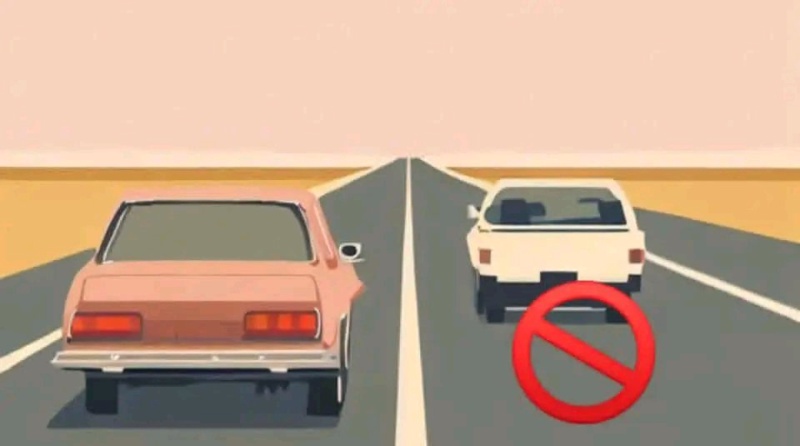
B. Single Continuous Centre Line
A single continuous centre line is an unbroken line running along the middle of the road.
Meaning: It indicates that crossing the line is restricted. Drivers should not cross it to overtake where the restriction applies.
What drivers should do:
- Remain on your side of the road.
- Avoid overtaking across the line.
- Reduce speed when approaching bends or areas with limited visibility.
C. Double Continuous Centre Lines
Double continuous lines consist of two unbroken lines painted parallel to each other along the centre of the road.
Meaning: They indicate a restriction on crossing the centre lines. They are commonly used where overtaking could be particularly dangerous.
What drivers should do:
- Do not cross the double continuous lines.
- Maintain your correct position on the road.
- Wait until you reach a section where overtaking is permitted and safe.
D. Combination of a Continuous and Broken Centre Line
This marking consists of one continuous line and one broken line painted next to each other.
Meaning: The restriction depends on which side of the marking you are driving on.
If the broken line is nearest to your vehicle, crossing may be permitted when safe and lawful.
If the continuous line is nearest to your vehicle, you must not cross it where the restriction applies.
What drivers should do: Always check the line nearest to your vehicle before considering an overtaking manoeuvre.
E. Lane Lines
Lane lines are painted markings that separate lanes travelling in the same direction.
They help drivers maintain their correct positions, particularly on roads with multiple lanes.
What drivers should do:
- Keep within your designated lane.
- Check mirrors and blind spots before changing lanes.
- Use indicators when changing lanes.
- Avoid unnecessary lane changes.
F. Road Edge Lines
Road edge lines indicate the boundary of the main carriageway.
They help drivers identify where the usable road surface ends, especially at night or when visibility is poor.
What drivers should do: Stay within the carriageway and avoid driving beyond the road edge line unless the road layout or an authorised manoeuvre requires it.
- Transverse Road Markings
Transverse road markings are painted across the direction of travel. They tell drivers where to stop, where to give way and where pedestrians may cross.
A. Stop Line
A stop line is a continuous line painted across the road, usually near a STOP sign or traffic signal.
Meaning: It indicates the position where drivers must stop when required by a STOP sign or red traffic signal.
What drivers should do:
- Stop before reaching the line.
- Look for other vehicles and pedestrians.
- Proceed only when it is safe and permitted.
B. Give Way Line
A give way line is commonly made up of a row of short white markings across the road, often near a junction or roundabout.
Meaning: It indicates the point where drivers must give priority to traffic on the road they are entering or crossing.
What drivers should do:
- Reduce speed when approaching the line.
- Observe traffic on the priority road.
- Stop if necessary to allow other traffic to proceed safely.
C. Pedestrian Crossing (Zebra Crossing)
A zebra crossing consists of alternating white stripes painted across the road.
Meaning: It identifies a designated place where pedestrians can cross the road.
What drivers should do:
- Slow down when approaching the crossing.
- Watch for pedestrians waiting or crossing.
- Stop when necessary to allow pedestrians to cross safely.
- Avoid stopping or parking on the crossing.
Always approach pedestrian crossings with extra care, especially in busy areas and near schools.
- Other Road Markings
Other road markings include arrows, chevrons, words, symbols and restricted-area markings. They provide additional instructions to drivers.
A. Directional Arrows
Directional arrows are painted on the road to show drivers which direction they should follow from a particular lane.
Examples include:
- Straight-ahead arrows.
- Left-turn arrows.
- Right-turn arrows.
- Combination arrows showing more than one permitted direction.
What drivers should do: Choose the correct lane early and follow the direction indicated by the arrow. Avoid making sudden turns or changing lanes at the last moment.
B. Chevron Markings
Chevron markings are V-shaped or diagonal patterns painted on certain sections of the road.
Meaning: They identify restricted areas or guide vehicles around traffic islands, merging lanes and diverging road sections.
What drivers should do: Do not drive over restricted chevron areas. Follow the direction of the traffic lanes and keep a safe distance from other vehicles.
C. Yellow Box Markings
A yellow box is a yellow grid painted on the road, commonly at busy junctions.
Meaning: It helps keep junctions clear by discouraging vehicles from stopping inside the marked area and blocking cross traffic.
What drivers should do: Do not enter the box if traffic ahead is stationary and your exit is not clear. Avoid blocking other vehicles at junctions.
D. STOP Road Marking
The word STOP may be painted on the road surface to reinforce a stop instruction.
Meaning: It reminds drivers that they are approaching a location where stopping is required.
What drivers should do: Pay attention to the accompanying STOP sign or traffic control and stop at the designated position.
E. Speed Limit Markings
Speed limit numbers may be painted directly on the road surface.
Meaning: They remind drivers of the applicable speed restriction for that section.
What drivers should do: Observe the displayed speed and any applicable road signs. Always reduce speed when conditions require it.
F. Parking Bay Markings
Parking bays are outlined spaces painted on the road or within designated parking areas.
Meaning: They show where vehicles are expected to park.
What drivers should do: Park within the marked spaces and follow any additional parking signs or restrictions.
Why Are Road Markings Important?
Road markings are essential for maintaining road safety and helping drivers understand how to use available road space.
Here are some important benefits:
- They help prevent accidents
Centre lines, lane markings and other road markings help drivers avoid dangerous movements and collisions.
- They improve traffic flow
Lane markings and directional arrows help vehicles move in an organised manner, especially at busy junctions.
- They protect pedestrians
Zebra crossings show drivers where pedestrians may cross and remind motorists to approach carefully.
- They guide drivers at night
Visible road markings help drivers identify lanes, road edges and junction layouts when driving in darkness.
- They reduce confusion
Stop lines, give way markings and directional arrows help drivers understand where to position their vehicles and when to proceed.
Common Mistakes Drivers Make When Interpreting Road Markings
Some drivers fail to observe road markings or misunderstand their meaning. This can create dangerous situations for other road users.
Common mistakes include:
- Crossing continuous centre lines to overtake.
- Overtaking without checking for oncoming traffic.
- Changing lanes without checking mirrors and blind spots.
- Stopping beyond the stop line.
- Blocking pedestrian crossings.
- Entering junctions when the exit is blocked.
- Ignoring directional arrows painted on the road.
- Driving over restricted areas marked with chevrons.
Remember that road markings are there to guide and protect all road users. Always observe them and respond appropriately.
Tips for Learner Drivers: How to Understand Road Markings
If you are learning to drive, understanding road markings will help you become more confident and responsible behind the wheel.
Here are some useful tips:
- Study the different types of road markings and their meanings.
- Learn the difference between continuous and broken lines.
- Practise identifying lane markings while travelling as a passenger.
- Understand where to stop at junctions and traffic signals.
- Learn how to identify pedestrian crossings.
- Ask a qualified driving instructor to explain unfamiliar markings.
- Always observe road markings during practical driving lessons.
The more familiar you become with road markings, the easier it will be to respond correctly while driving.
Frequently Asked Questions About Road Markings in Uganda
- What are road markings?
Road markings are lines, symbols, arrows and words painted on road surfaces to control, warn and guide road users.
- What does a broken centre line mean?
A broken centre line may be crossed when overtaking or changing position if it is permitted and safe to do so.
- What does a continuous centre line mean?
A continuous centre line indicates that crossing the line is restricted. Drivers should not cross it to overtake where the restriction applies.
- What is the difference between a stop line and a give way line?
A stop line indicates where drivers must stop when required by a STOP sign or traffic signal. A give way line indicates where drivers should give priority to other traffic and stop if necessary.
- What do zebra crossings mean?
Zebra crossings identify designated pedestrian crossing areas. Drivers should approach carefully and allow pedestrians to cross safely.
- Why should learner drivers understand road markings?
Understanding road markings helps learner drivers maintain correct lane positions, recognise restrictions, respond to junction instructions and develop safer driving habits.
Conclusion
Road markings are an important part of road safety in Uganda. They help drivers understand where to drive, when to stop, where overtaking is restricted and how to share the road with pedestrians and other motorists.
From broken and continuous centre lines to stop lines, zebra crossings, directional arrows and chevron markings, each marking communicates information that drivers should understand and follow.
Whether you are a learner driver or an experienced motorist, take time to study road markings and understand their meanings. Good driving is not only about controlling a vehicle; it is also about recognising and obeying the instructions provided on the road.
Need help improving your driving knowledge?
Roadwise Mobility Uganda provides driving-related information, licence application and class-extension assistance, and driving lessons where requested.
Contact us to make an enquiry and learn more about the services available.