2 November 2026, by Roadwise Mobility Uganda
Understanding Road Traffic Signs in Uganda: A Complete Guide for Drivers
Learn about road traffic signs in Uganda, their meanings, categories and importance for learner drivers and motorists.
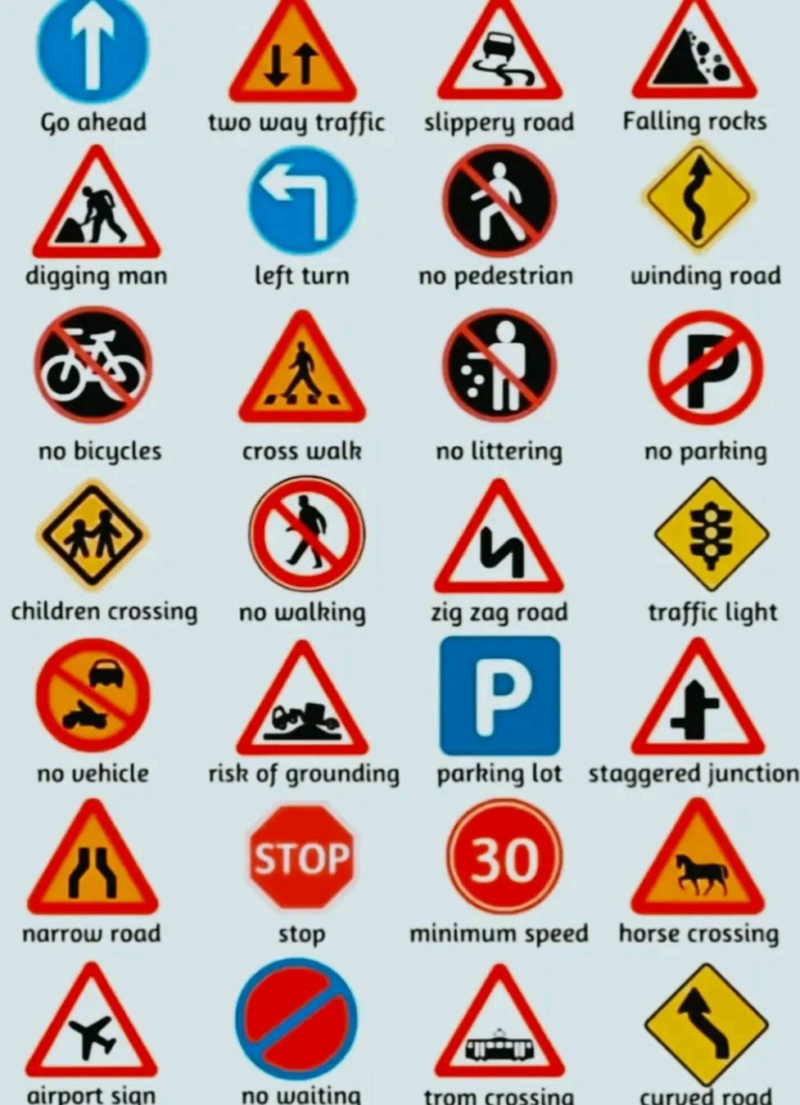
Understanding Road Traffic Signs in Uganda: A Complete Guide for Drivers
Road traffic signs play an important role in keeping drivers, passengers, pedestrians and other road users safe. Whether you are learning to drive for the first time or have been driving for several years, understanding road traffic signs is an essential part of responsible driving.
When travelling on roads in Uganda, you will come across different signs that warn you about possible dangers, instruct you on what to do and provide useful information about the road ahead.
For learner drivers, understanding these signs is particularly important because they form part of the knowledge required to become a safe and responsible driver.
In this guide, we explain the main categories of road traffic signs, their meanings and how drivers should respond to them.
What Are Road Traffic Signs?
Road traffic signs are official signs placed along roads to communicate important messages to road users. They use symbols, shapes, colours and sometimes written instructions to help control and guide traffic.
These signs help drivers understand road conditions, identify potential hazards, follow traffic rules and make safer decisions.
For example, a warning sign may alert you that there is a sharp bend ahead, while a regulatory sign may instruct you not to enter a particular road.
Ignoring traffic signs can put your life and the lives of other road users at risk.
Main Categories of Road Traffic Signs in Uganda
Road traffic signs are commonly grouped into three main categories:
- Warning signs
- Regulatory signs
- Informatory signs
Understanding the difference between these categories will help you interpret road signs more easily.
- Warning Signs
Warning signs alert drivers to potential dangers or unusual road conditions ahead. Their purpose is to give motorists enough time to slow down, pay attention and prepare for what is coming.
Many warning signs have a triangular shape with a red border and a white or light-coloured background.
Here are some examples:
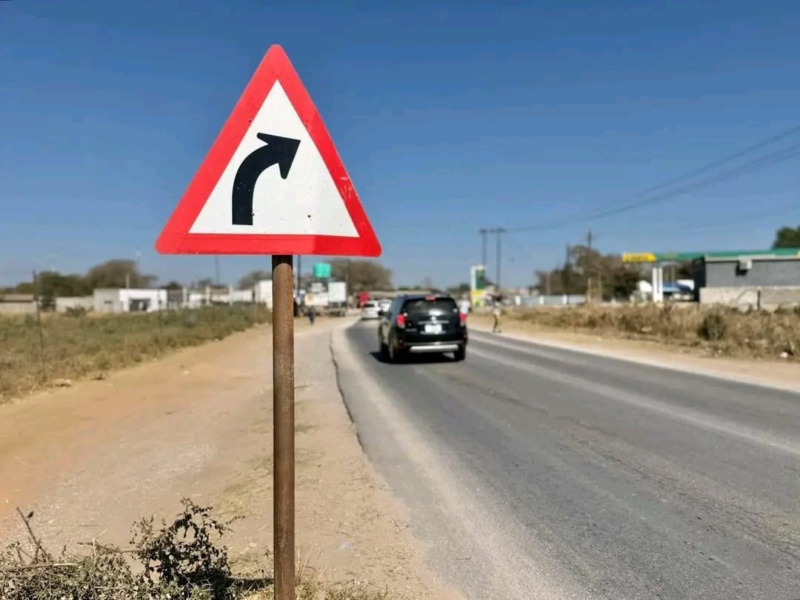
Sharp Bend Ahead
This sign warns drivers that there is a sharp bend ahead. Reduce your speed and maintain control of your vehicle before reaching the bend.
Slippery Road
This sign warns that the road surface may become slippery, especially during rainy weather. Avoid sudden braking, sharp steering and unnecessary acceleration.
Pedestrian Crossing Ahead
This sign alerts drivers that pedestrians may be crossing the road ahead. Reduce your speed and be prepared to stop when necessary.
Children Crossing
This sign warns drivers that children may be crossing or walking near the road, particularly around schools. Drive carefully and watch for children who may enter the road unexpectedly.
Road Works Ahead
This sign indicates that construction or maintenance work is taking place ahead. Slow down, follow temporary traffic instructions and watch for workers and equipment.
Roundabout Ahead
This sign warns drivers that they are approaching a roundabout. Reduce your speed, observe traffic approaching from the right and follow the applicable right-of-way rules.
- Regulatory Signs
Regulatory signs communicate traffic rules, restrictions and instructions that road users must obey.
They are important because they help maintain order and prevent dangerous driving behaviour.
Some examples include:
Stop Sign
A STOP sign instructs drivers to bring their vehicles to a complete stop before proceeding. Check for other traffic and pedestrians before moving.
Give Way Sign
This sign instructs drivers to give priority to traffic on the road they are entering or crossing. Slow down and stop if necessary to allow other road users to proceed safely.
No Entry Sign
This sign prohibits vehicles from entering a particular road or section of a road. Drivers must not proceed beyond the sign unless an authorised exception applies.
No Parking Sign
This sign indicates that parking is prohibited in the area where the restriction applies. Drivers should look for additional information showing the extent or conditions of the restriction.
Speed Limit Sign
This sign shows the maximum permitted speed for a particular road or section. Drivers must not exceed the displayed speed limit and should drive more slowly when road conditions require it.
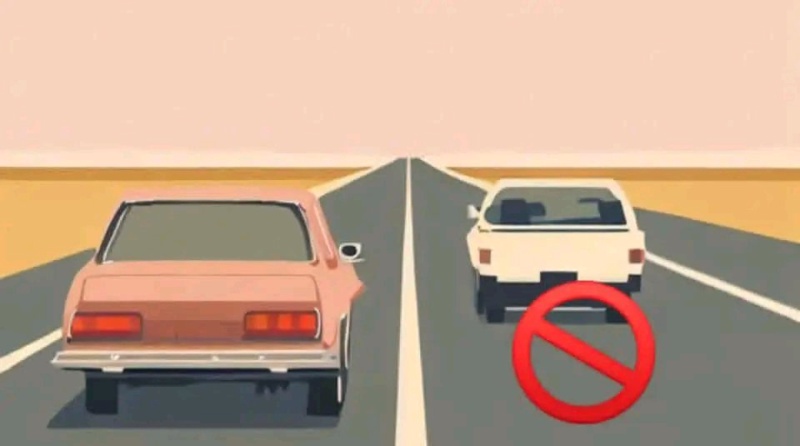
No Overtaking Sign
This sign prohibits drivers from overtaking other vehicles within the restricted section of the road. Follow the restriction until it ends.
- Informatory Signs
Informatory signs provide useful information and directions to help drivers find their way and identify important places or facilities.
They may indicate destinations, road directions, parking areas, hospitals, fuel stations and other services.
Examples include:
Hospital Sign
This sign directs road users towards a hospital or indicates the presence of medical facilities nearby.
Parking Sign
This sign indicates an area where vehicles may be parked, subject to any displayed conditions.
Fuel Station Sign
This sign helps drivers identify the location of a nearby fuel station.
Direction Signs
These signs provide information about destinations, routes, junctions and distances to different locations.
Bus Stop Sign
This sign identifies a designated bus stopping area. Drivers should be alert to buses stopping or joining traffic near these locations.
Why Is It Important to Understand Road Traffic Signs?
Understanding road signs is not only important for passing a driving test. It is also essential for everyday road safety.
Here are some important reasons:
- Preventing road accidents
Warning signs help drivers identify dangerous road conditions before reaching them.
- Improving traffic flow
Regulatory signs help drivers understand which actions are permitted or prohibited, reducing confusion on the road.
- Protecting pedestrians
Signs showing pedestrian crossings and school areas remind drivers to be alert and give pedestrians appropriate consideration.
- Helping drivers navigate
Direction and information signs make it easier to identify destinations, junctions and important facilities.
- Building responsible driving habits
Drivers who understand and obey traffic signs are better prepared to make safe decisions.
Common Mistakes Drivers Make When Interpreting Road Signs
Even experienced motorists sometimes make mistakes when reading road signs.
Some common examples include:
- Ignoring warning signs because the road appears familiar.
- Driving above the displayed speed limit.
- Failing to stop completely at a STOP sign.
- Overtaking where restrictions apply.
- Not paying attention to temporary road signs.
- Failing to observe signs because of distraction.
Always pay attention to road signs, even when you are familiar with the route.
Tips for Learner Drivers: How to Remember Road Traffic Signs
If you are learning to drive, the following tips can help you understand and remember road signs:
- Learn the different categories of road signs.
- Pay attention to the shapes and colours of signs.
- Study the meaning of common road signs regularly.
- Observe signs whenever you are travelling as a passenger.
- Practise identifying signs using reliable learning materials.
- Ask a qualified driving instructor to explain signs you do not understand.
- Always connect the meaning of a sign to the correct driving action.
The more you study and observe road signs, the easier it becomes to recognise them while driving.
Frequently Asked Questions About Road Traffic Signs in Uganda
- What are the three main categories of road traffic signs?
The three commonly taught categories are warning signs, regulatory signs and informatory signs.
- What does a triangular road sign mean?
A triangular sign with a red border generally warns drivers about a possible danger or road condition ahead.
- What does a STOP sign mean?
It instructs drivers to bring their vehicles to a complete stop before proceeding when it is safe and lawful to do so.
- Why should learner drivers study road signs?
Understanding road signs helps learner drivers develop safe driving habits, recognise road hazards and understand traffic instructions.
- Where can I learn more about road traffic signs in Uganda?
You can learn through recognised driving instruction, the Uganda Highway Code and official road safety information provided by relevant authorities.
Conclusion
Understanding road traffic signs is one of the most important skills every driver should develop. From warning signs that alert you to potential dangers to regulatory signs that communicate traffic rules and informatory signs that guide you along different routes, each category has an important role in road safety.
Whether you are preparing to learn driving, improving your driving knowledge or simply refreshing your understanding of road signs, take time to study their meanings and practise responding to them correctly.
Remember, recognising a road sign is only the first step. Knowing how to respond to it is what helps make you a safer driver.
Need help improving your driving knowledge?
Roadwise Mobility Uganda provides driving-related information, licence application and class-extension assistance, and driving lessons where requested.
Contact us to make an enquiry and learn more about the services available.